The voices of veterans, their families, and those who care for them are not always reflected in the VA’s workflow. For the U.S. Department of Veterans Affairs’ VA Center for Innovation, PPL served an advisory role on the agency’s first-ever project to use a human-centered approach to better respond to veterans’ needs.
The Outcome
We helped guide the VA through applying human-centered design in their system, resulting in new user insights, journey maps, frameworks, and other user-driven artifacts. This pilot was a catalyst for human-centered design work across the VA, including the Designing Veterans’ Experience project and the establishment of the Veterans Experience Office.
The voices of veterans, their families, and those who care for them are not always reflected in the VA’s workflow. For the U.S. Department of Veterans Affairs’ VA Center for Innovation, PPL served an advisory role on the agency’s first-ever project to use a human-centered approach to better respond to veterans’ needs.
The Outcome
We helped guide the VA through applying human-centered design in their system, resulting in new user insights, journey maps, frameworks, and other user-driven artifacts. This pilot was a catalyst for human-centered design work across the VA, including the Designing Veterans’ Experience project and the establishment of the Veterans Experience Office.
Project Background
The Department of Veterans Affairs (VA) is entrusted with serving those “who borne the battle.” Yet realizing a truly veteran-centered VA has proven difficult: the voices of veterans, their families, and caregivers are not always integrated into the VA’s design and delivery cycles. With an interest in testing new approaches with potential to scale, the VA Center for Innovation (VACI) identified human-centered design as a methodology for improving service delivery. PPL advised the team on best practices as they piloted the discovery stage of this process.
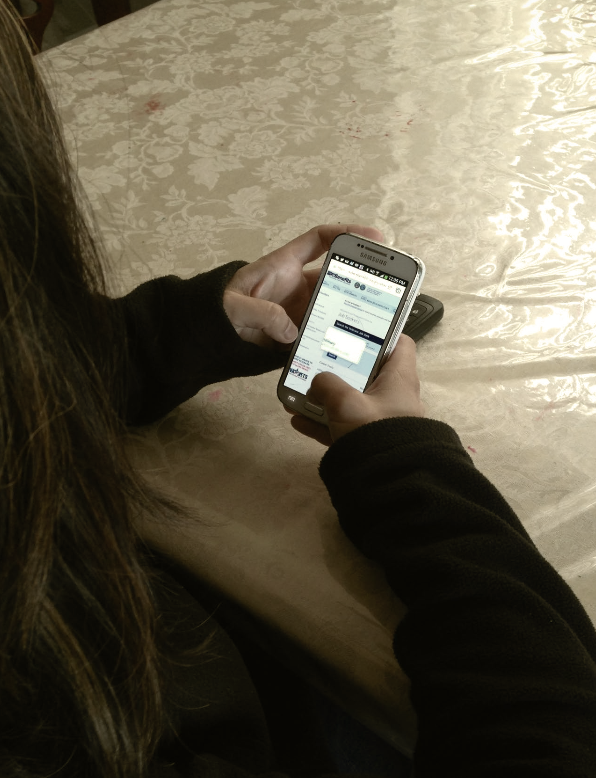
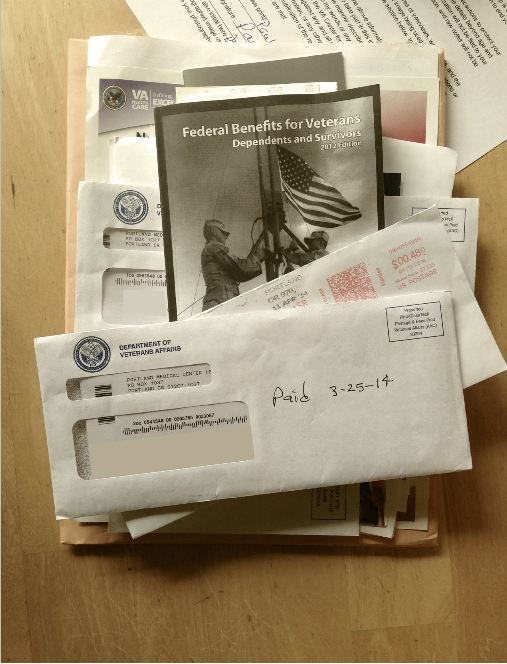
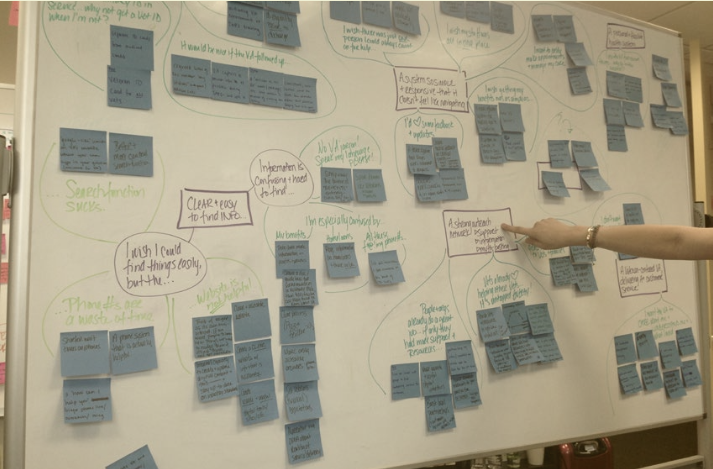
Veterans shared examples of how they communicated with the VA.
What We Found
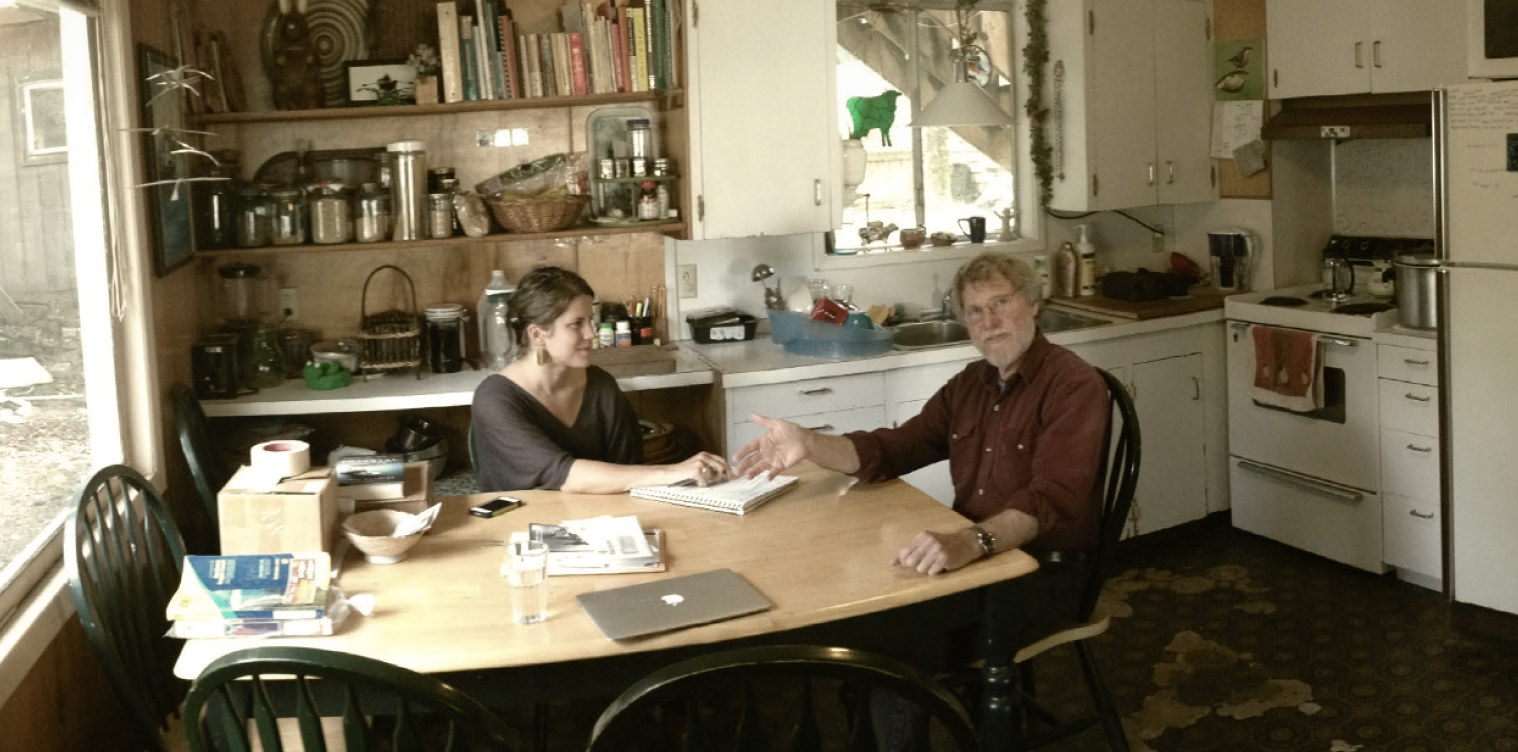
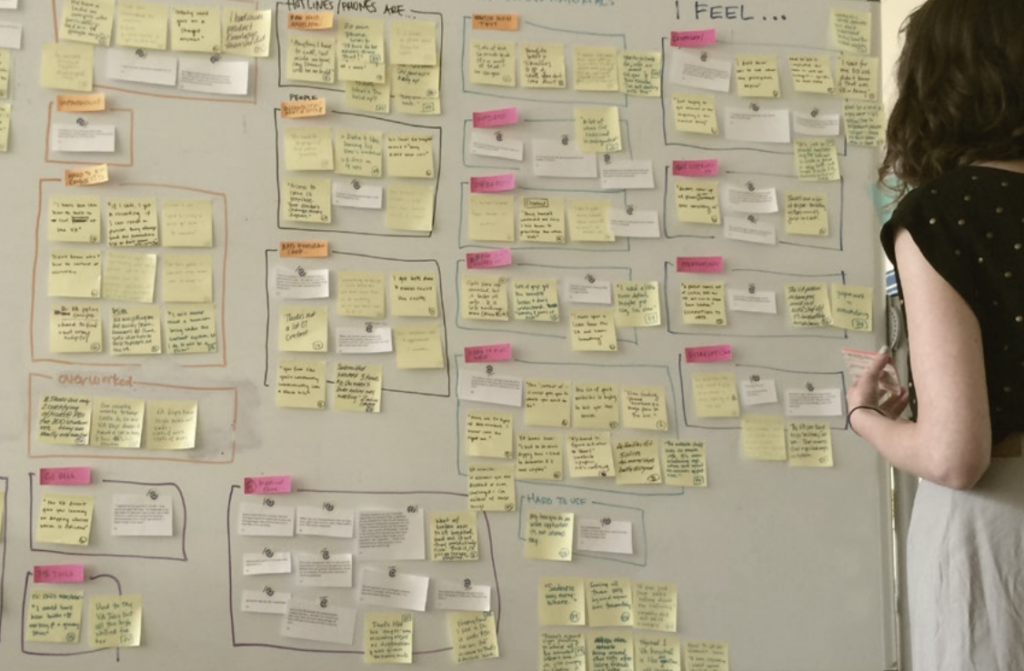
Over three weeks, the VACI team conducted in-depth ethnographic research with veterans across a range of ages, geographies, and socioeconomic backgrounds — including contextual interviews, service trials, customer journey mapping, and persona development. Throughout this process, PPL provided guidance and best practices for human-centered design to the VACI team. Three key insights emerged:
Veterans often feel overwhelmed and unable to navigate VA services. Accessing benefits can feel like navigating a complex, unpredictable system — with unanswered calls, long waits, and inconsistent information.
Outreach needs to be smarter about timing and frequency. Many veterans, especially those newly separated, aren’t ready to engage right away and rely more on peer networks than the VA itself for benefits information.
There is a lot of good happening. Veterans consistently noted improvements at the VA and meaningful interactions with staff — often exceeding their expectations once they engaged.
What We Designed
The pilot focused on the discovery stage of surfacing user needs. The VACI team produced personas, user needs frameworks, a customer journey map, and a set of organization-wide recommendations for building a more responsive, transparent, and personalized VA.
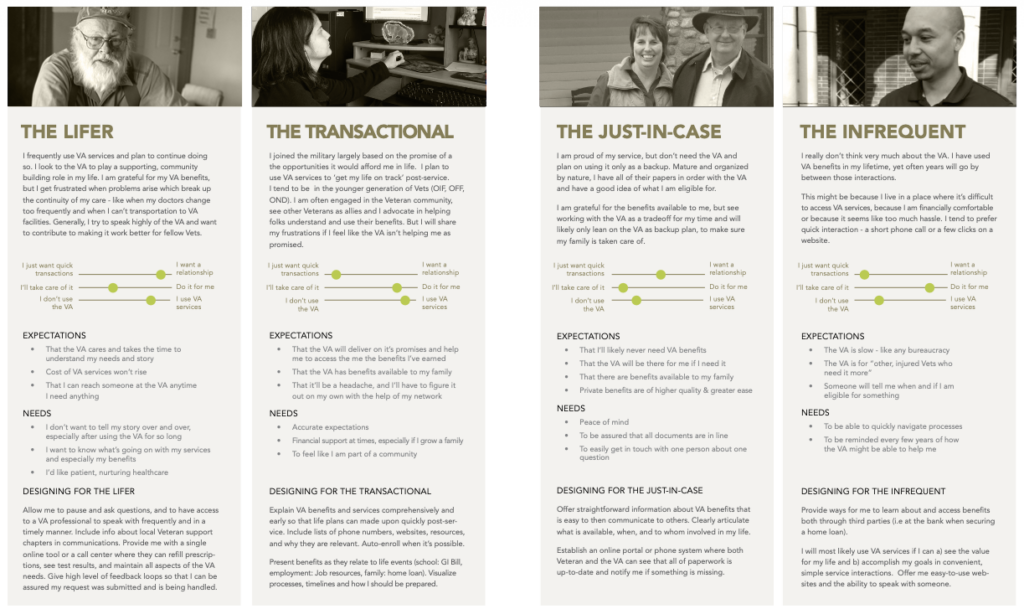
The VACI team created personas — fictional archetypes of VA users which represent stories, needs, behaviors and characteristics of the real users interviewed.
What Was Implemented
The pilot demonstrated that even a small team, working with a limited budget and timeline, could generate powerful insights through a user-centered approach. Veterans expressed genuine gratitude and increased trust in an organization willing to listen.
The findings were delivered to VACI as a formal report in July 2014 — making the case for scaling human-centered design across the VA.
This project set the stage for a number of human-centered design initiatives to come, including the Designing Veterans’ Experience project and the establishment of the Veterans Experience Office. For PPL, this work represents our commitment to advising on and advancing human-centered practice in the public sector and pioneering this work in large, complex institutions.