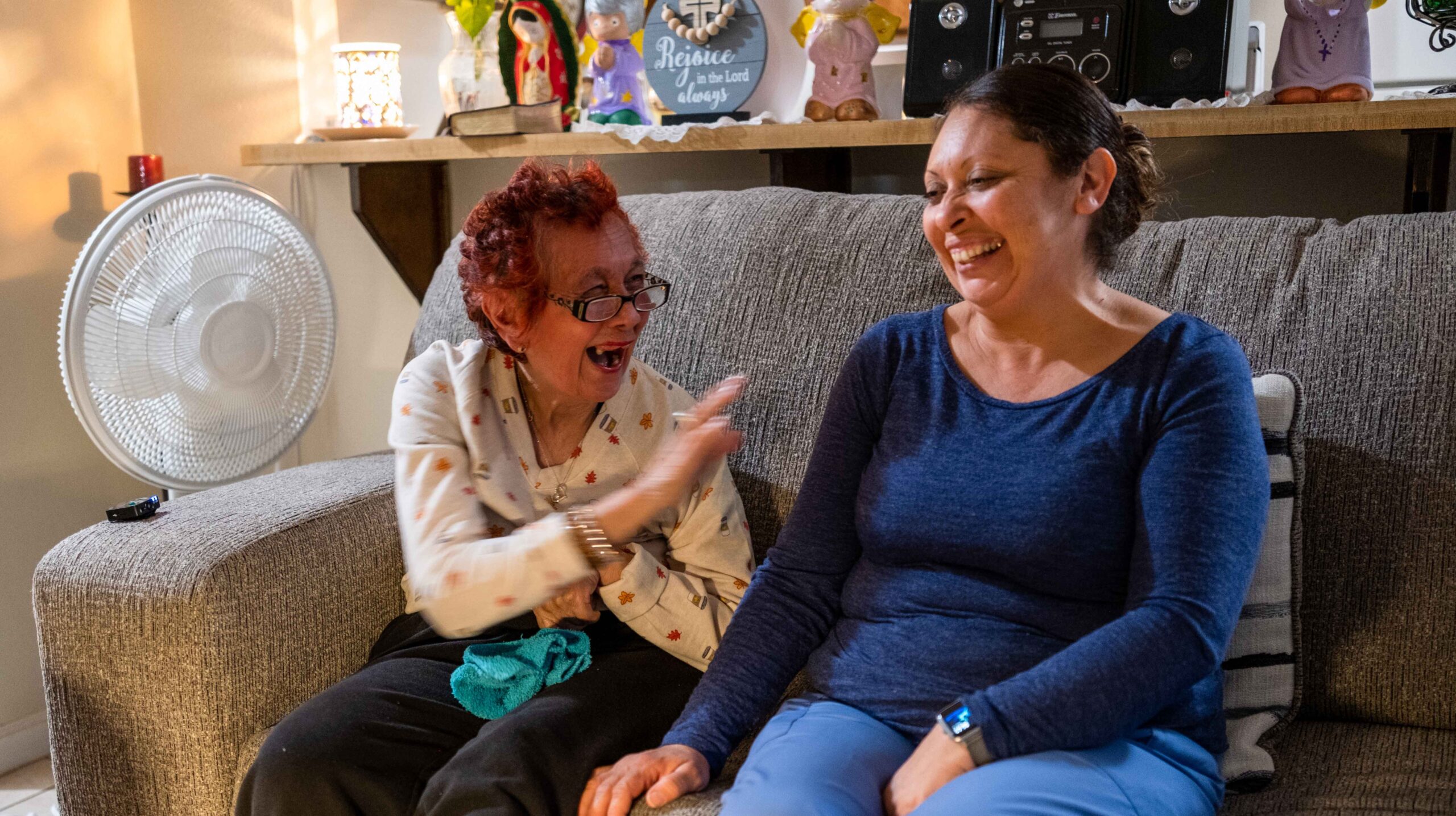
Health and aging policies and systems are typically designed from the perspective of people who run systems, rather than those who use them. Even when advocates, policymakers, and providers seek to learn from older adults, these engagements often have significant limitations: existing datasets and surveys do not adequately focus on priority populations or capture the lived experiences of older adults, and their insights often remain siloed within commissioning organizations and agencies.
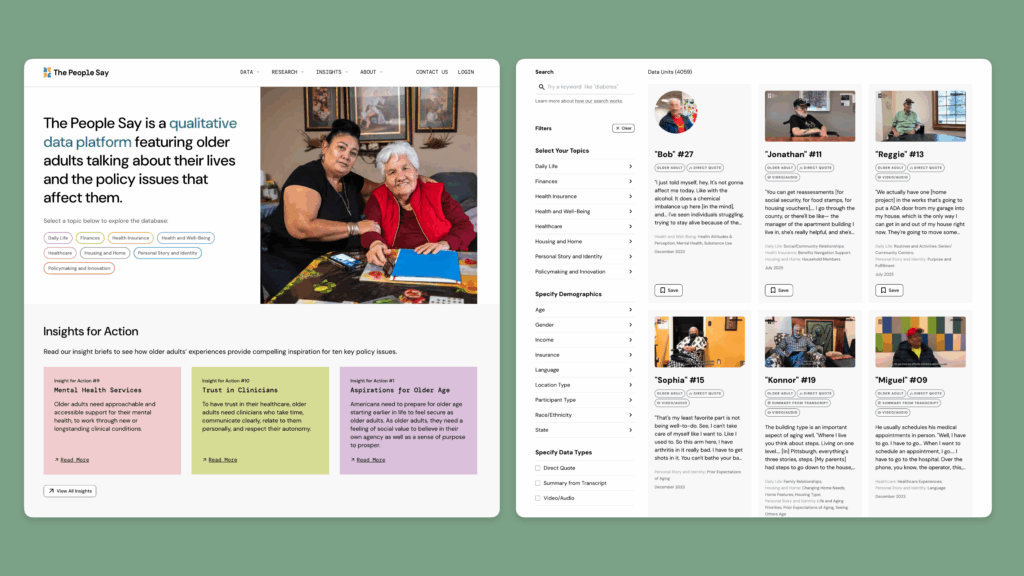
To address these problems, we partnered with The SCAN Foundation to build The People Say, a qualitative data platform designed to help policymakers hear the voices of the public when shaping policy. We curated a pool of older adults to participate in the research, collected qualitative data on their preferences and experiences, and then launched the platform, featuring multimedia data to highlight actionable findings and insights about older adults’ health and well-being needs.
Older Adults
Data Units
Platform Engagements
In the first study, we interviewed a sample of 65 older adults, in line with the estimated population of 65 million Americans aged 65 and above in 2025. Following the successful launch of the website, we conducted a second round of research to gain a more detailed understanding of older adult experiences with Medicare Advantage Supplemental Benefits. In our third round of research, we traveled to nine new states and engaged with 73 additional participants. The platform now hosts more than 140 participants from 15 states.
Beyond seeking to highlight the lives and aspirations of all older Americans, the Public Policy Lab and The SCAN Foundation share a commitment to focusing on the life experiences, needs, and preferences of populations that experience health disparities – particularly people of color, low-income people, and people who live in rural, medically underserved areas. We also focused on individuals who are dually eligible for Medicare and Medicaid (referred to as “dual eligibles” or “duals”), as well as users of home- and community-based services (HCBS).
To deepen our research on these populations, we oversampled participants with those backgrounds or characteristics in each study, aiming to achieve levels equal to or greater than the projected demographics of America in 2040. That forward-looking focus enabled our participant pool to speak to the more diverse future that America is aging into, serving project interests in developing policies now that address the needs of the next 15 to 20 years.

Research Locations
Research took place in 15 states across the country.
According to the US Dept of Health and Human Services’ Administration for Community Living, in 2022, 50% of Americans aged 65 and older lived in nine states: California, Florida, Texas, New York, Pennsylvania, Ohio, Illinois, North Carolina, and Michigan. We conducted in-depth human-centered research activities in six of those states – California, Texas, New York, Pennsylvania, Ohio, and North Carolina, as well as in the following states: Iowa, Oregon, Arizona, Louisiana, Wyoming, Minnesota, South Dakota, North Dakota, and Alabama.
The locations represent diverse geographic areas, population densities, political leanings, and U.S. Dept of Health & Human Services (HHS) regions. We also identified states where more than 10.7% of the population is dually eligible for Medicare and Medicaid.
By concentrating research in a set of locations, we sought to gather community-level trends and individual-level experiences. Ultimately, we observed that some topics were more prevalent in our locations than others.
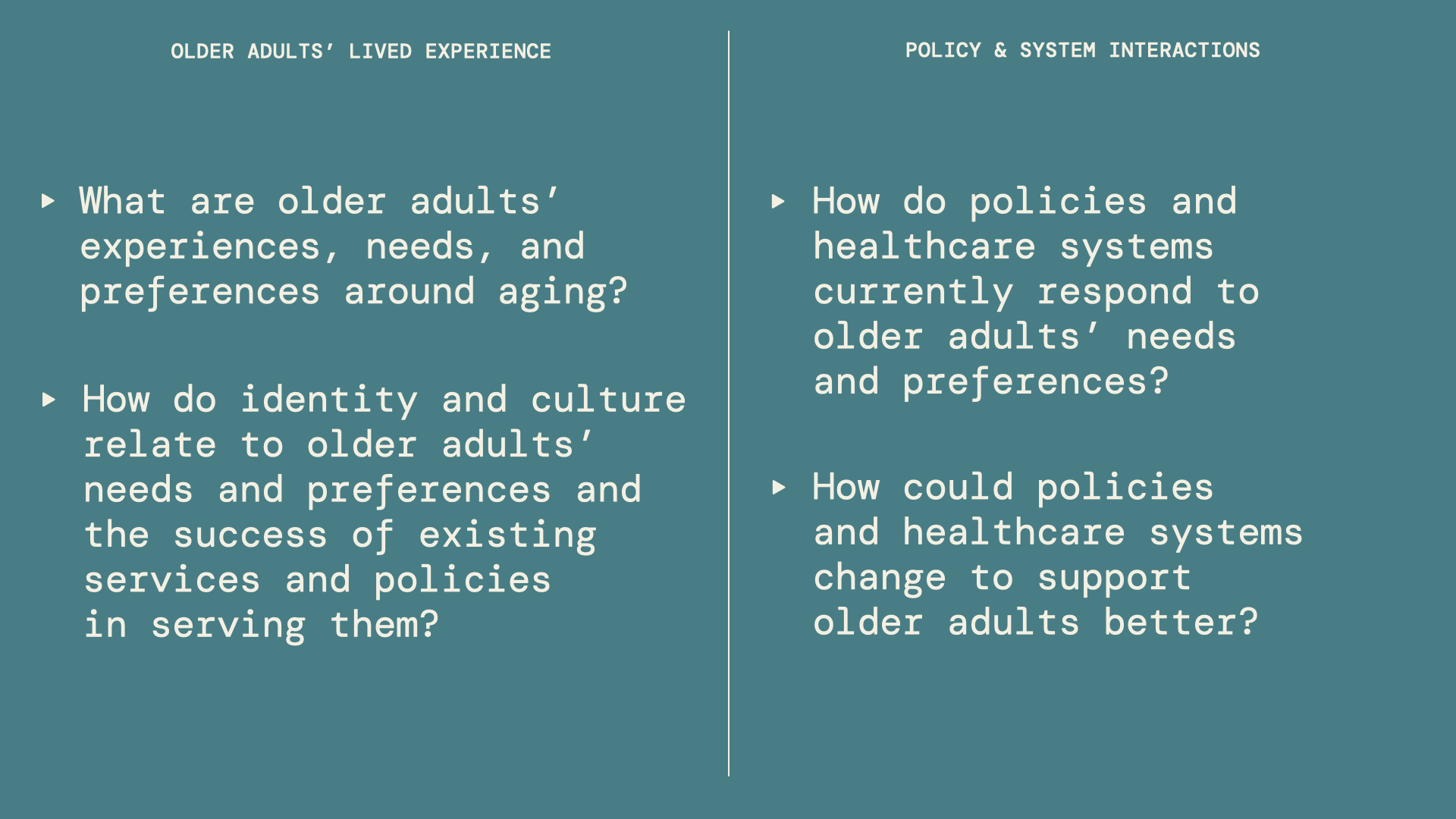
To develop our inquiry areas for this project, we collaborated with The SCAN Foundation staff and examined precedent surveys and studies of older adults. In the First Study, four inquiry areas (pictured above) guided our research engagements with older adults, their caregivers, and subject-matter experts. In the Second Study, we focused heavily on participants’ experiences with Medicare Advantage non-medical benefits, like transportation services or over-the-counter medications.
In our third round of research, we expanded on our initial inquiry areas and delved deeper into older adults’ experiences with healthcare and public services. We primarily focused on understanding the needs and preferences of older adults regarding aging in their homes, navigating Medicaid and Medicare, and accessing home care services.
Research Materials
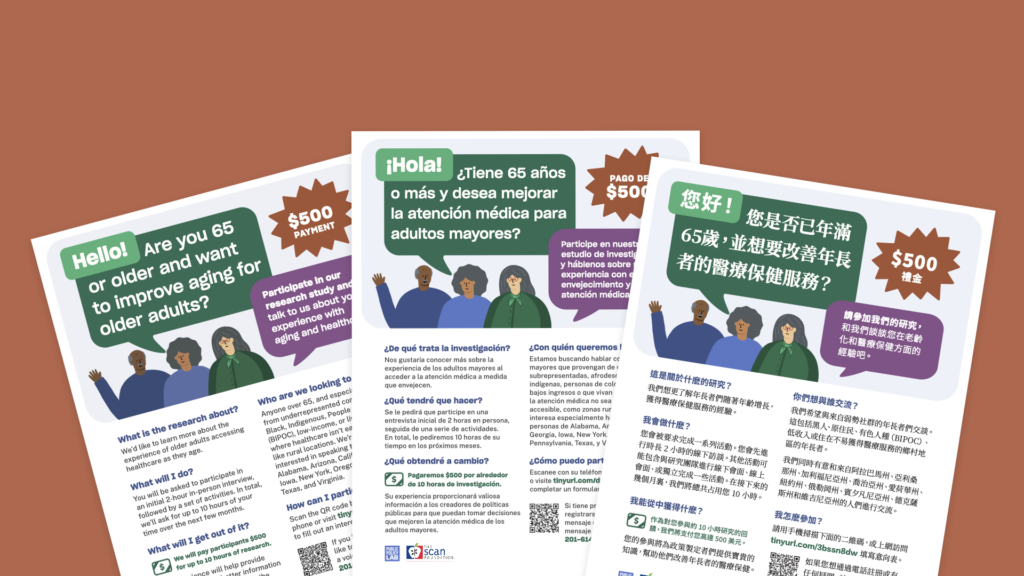
All participant-facing materials were written in plain language to ensure accesibility. Key materials were also translated into Spanish and Chinese.
Semi-Structured Interviews
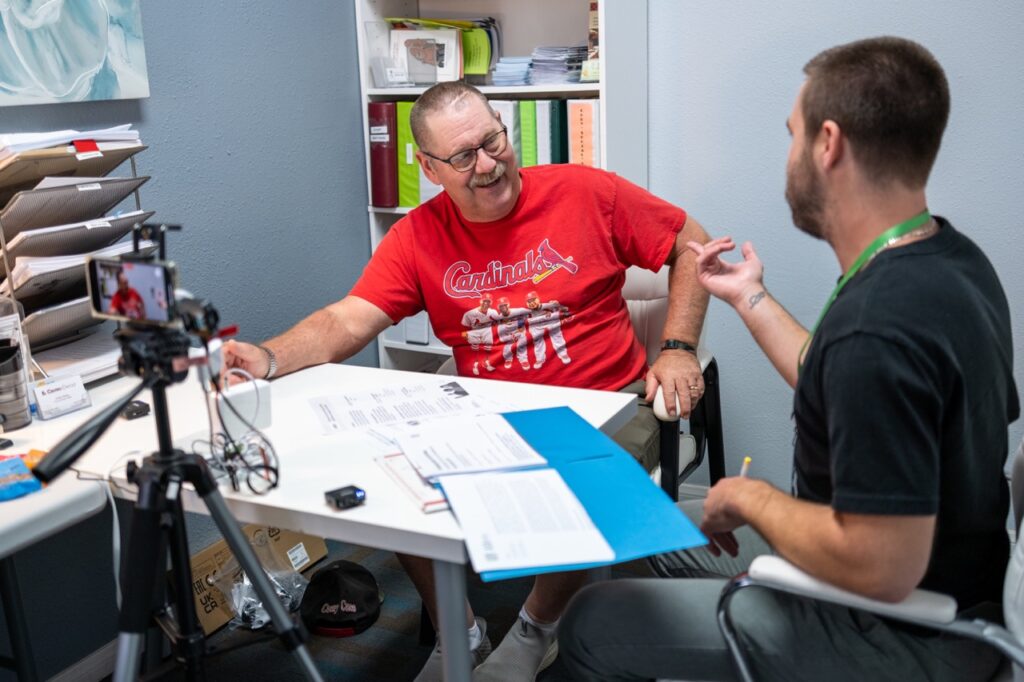
Pairs of researchers conducted semi-structured interviews in participants’ homes or in agreed-upon community spaces, such as senior centers, churches, and libraries.
Before every research engagement, we walked participants through a comprehensive consent process that explained the project, described how the collected information would be used, and provided contact information for questions or concerns. While all PPL projects include a detailed consent process, this project required special care, as we were asking participants to consent to public sharing of their data. While we had specifically recruited participants who were open to public sharing, a few participants decided during the consent process that they were not willing to have their face and/or voice identified in shared outputs; we either filmed them without capturing their face, or we subsequently blurred or disguised their visage and/or voice in material posted to the public platform.
Our goal in conducting semi-structured interviews was to use our inquiry areas as a guide, rather than following a predetermined script or matrix of questions. In all of our research engagements, we aim to create an environment where participants feel comfortable, enabling our professional qualitative researchers to explore interesting stories as they emerge during the engagement. We carried lightweight equipment—just a phone, a tripod, a light, and small microphones—to minimize the intrusiveness of recording.
Teams traveled directly to participants for these in-depth conversations, leaving behind a packet of independent activities to be completed over the following weeks and returned by mail. Our researchers conducted interviews in English, Spanish, or Cantonese, and activity materials were provided in the participants’ preferred language.
Cultural Probes
All participants were asked to complete My Life Timeline, an activity that prompted older adults to chart their lifetime milestones of aging—along with their hopes for the future—and provide more detailed explanations about a few of those moments. Of the 140 participants, 83 completed this independent activity, providing fascinating insights into their past experiences, current social networks, and hopes as they age. We included scans of the timelines on the public platform, scrubbed of personally identifying information.
In Year 1, participants completed an additional independent activity called ‘Who I See.’ In the activity, participants mapped their social networks–including friends, family, and care staff–and how often they interacted with them (daily, weekly, or monthly). During the activity, participants reflected on those interactions and the feelings they brought up. These artifacts proved too challenging to make publicly available, as they contained references to names and details of non-consenting members of our participants’ community. This limitation also informed our decision not to include the ‘Who I See’ activity in subsequent rounds of research.
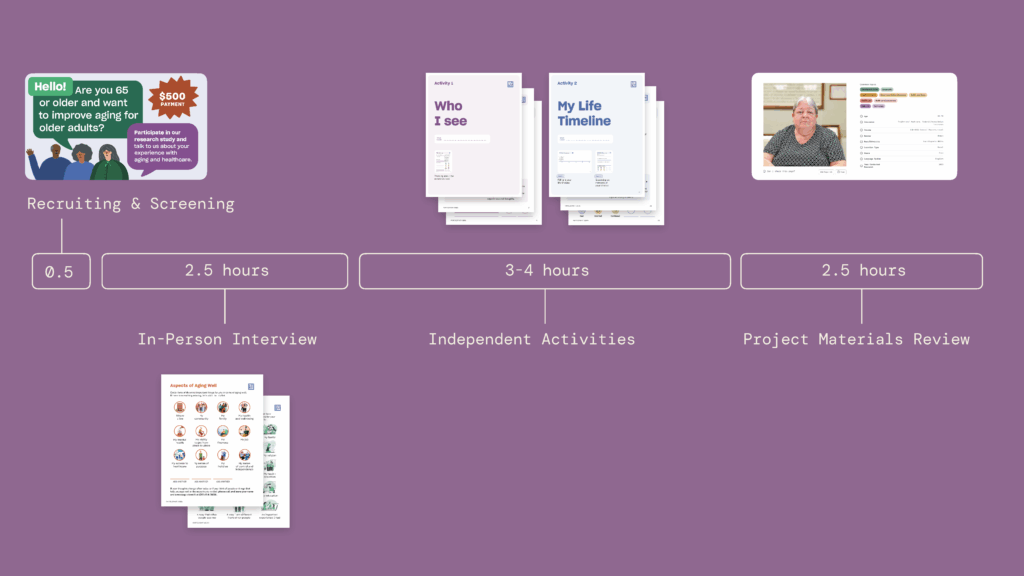
Completed Activities
Participants sat for interviews, completed independent worksheets, and reviewed site data.
Materials Review & Compensation
All participants were provided copies of their data units in their original language before they were publicly shared. We asked each participant to indicate if there were any items that they did not want to have published. Based on this review, only 5% (8/140) of our participants made edits or requested the removal of data units.
All older adults and caregiver participants who participated in research were compensated at $50/hour for their time. Our $50-per-hour compensation rate is intended to match or exceed the pay rate of an entry-level PPL staff researcher.
Using the 200+ hours of qualitative research, we designed The People Say, a digital platform of the data that is tagged and searchable. The platform also highlights actionable findings and insights about the health and well-being needs of older adults.
Since our initial launch in 2024, we have engaged with this pool of older adults for further research opportunities and speaking engagements, expanded our participant base in both numbers and geographic locations, and made several improvements to our website to enhance ease of access and search.
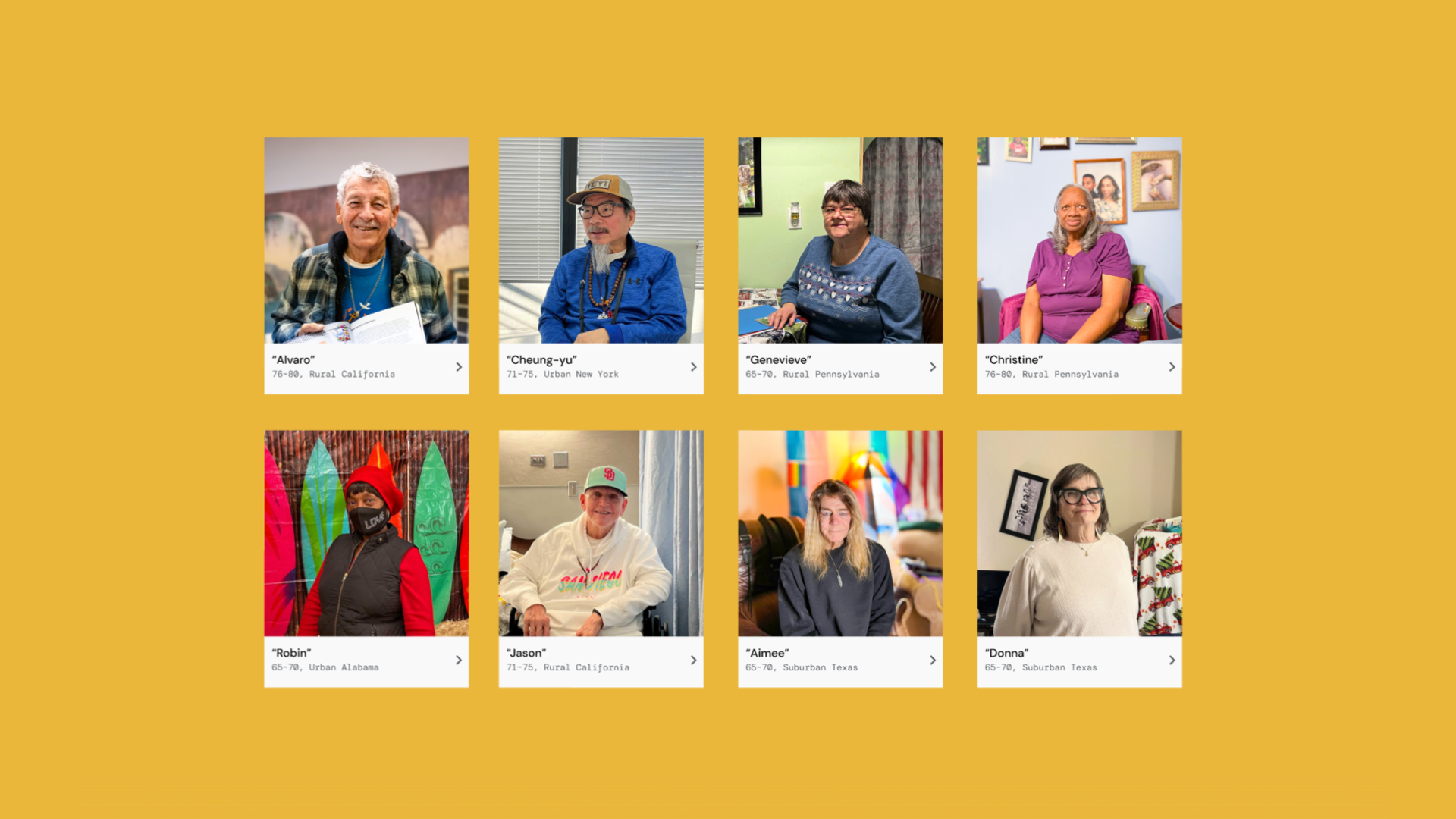
A research pool of older adults, representative of all older Americans, but over-sampled on marginalized populations – with the intention and related infrastructure to be able to return to that pool regularly over time, both to conduct follow-on research related to this project and also to address other specific research questions;

A repository of tagged research data, including both synthesized insights from research and direct quotes, transcripts, photographs, audio and video recordings, and or other artifacts from research with, or created by, members of the pool of older adults.
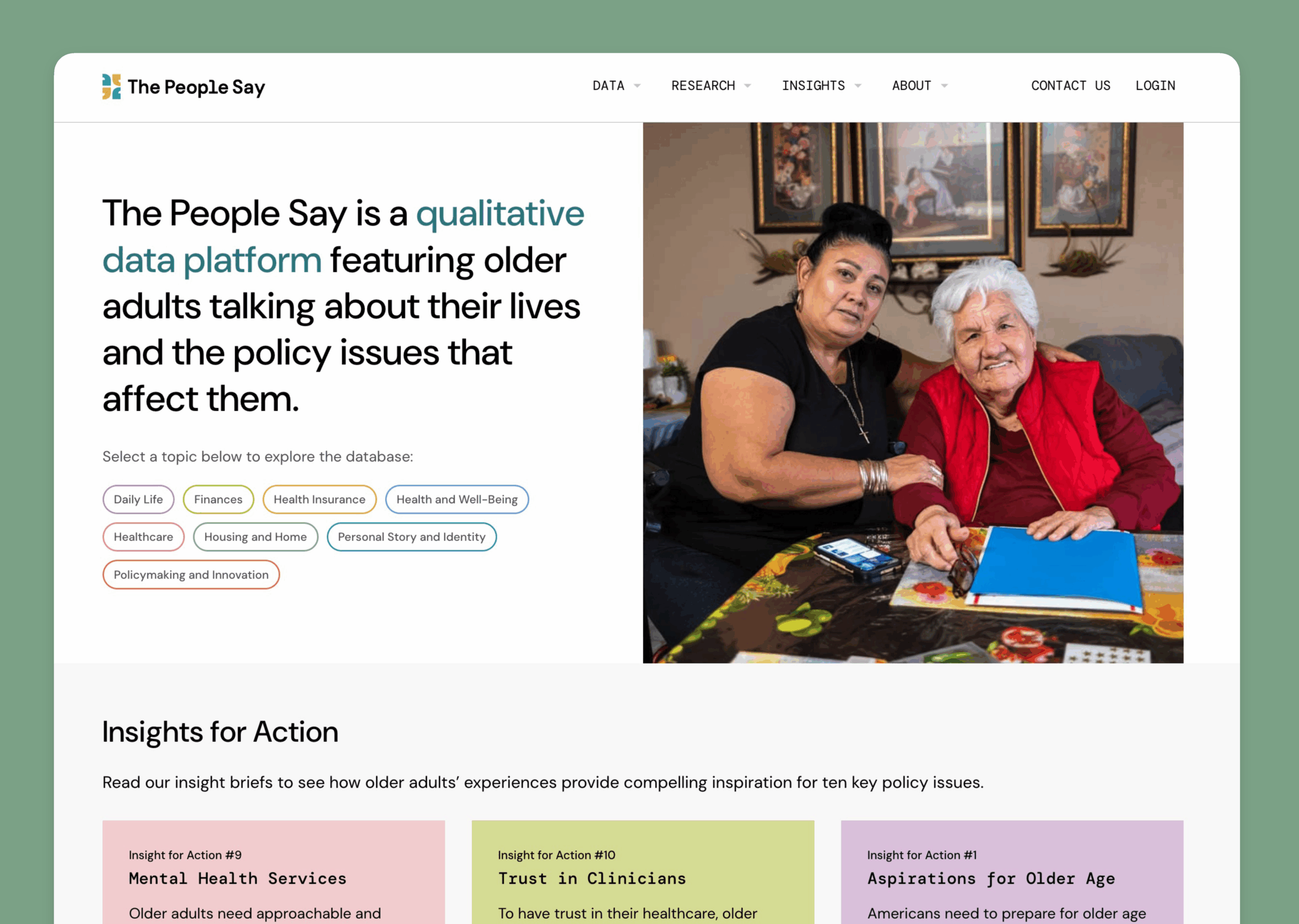
The People Say, an online platform, to publicly share out findings and insights generated with those older adults regarding their healthcare access and delivery experiences, designed to highlight opportunities for national policy change and nationwide healthcare-systems improvement.
Taxonomy and Tagging
A primary goal of The People Say is to provide access to a qualitative dataset that enriches and expands on the quantitative data about older adults typically referenced by policymakers. To make our data more directly associable with existing quantitative data, our 115 topic and subtopic tags were developed with reference to the primary keywords or taxonomies used by five quantitative studies of American older adults, or about policies that impact older adults, specifically:
The Health and Retirement Survey (HRS)—Aging in the 21st Century: Challenges and Opportunities for Americans
Medicare Current Beneficiary Survey (MCBS)
National Health and Aging Trends Study (NHATS)
Older Americans 2020: Key Indicators of Well-Being
2023 Profile of Older Americans
With those studies as a starting point, we developed a taxonomy to categorize the content included on The People Say. As our participant pool expanded, we refined our understanding of the taxonomy and identified new tags to enhance our categorization. We also updated our taxonomy’s related research with three new quantitative reports to further enrich our qualitative dataset. The three additional quantitative studies include:
The Lived Experience of Adults 50-Plus
National Core Indicators Aging and Disabilities Adult Consumer Survey, 2023-2024 (NCI-AD)
Aging in the United States: A Strategic Framework for a National Plan on Aging
Every data unit in our database is tagged according to our taxonomy. Additionally, on any given data-unit page, clicking on a topic or subtopic tag will generate a result of all data on the site with that tag. To make it easy to find quantitative data that augments the qualitative data, each of our data units includes links to related data in summary reports from the sources above (except the MCBS, which doesn’t have an easy-access summary report).
45 out of the 115 tags are associated with one or fewer quantitative studies. We believe this highlights the significant difference in the type of data that in-person, human-centered research can produce. Our participants shared aspects of their lived experience that survey instruments were unlikely to collect. Topics discussed in our qualitative interviews but not included in quantitative surveys included mentorship, non-medical benefits (such as supplemental benefits), culturally similar providers, holistic care, experiences with pharmacies, physical therapy, specialist care, and sexual orientation.
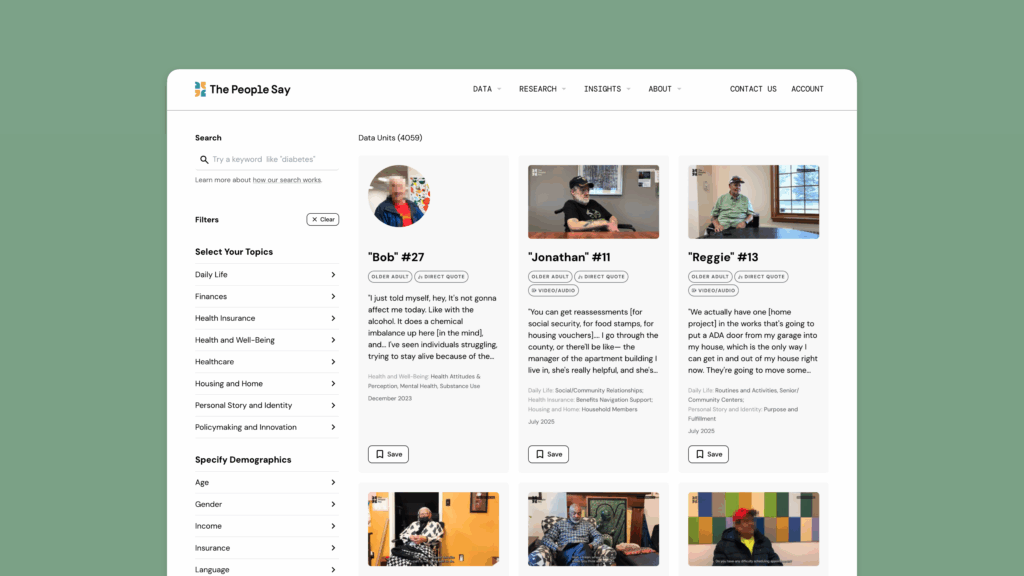
Platform Development and User Testing
The People Say has been designed for three primary user groups:
Our 25-member advisory committee includes representatives from all these user types and helped us to refine the tagging taxonomy. For example, federal policymakers and program leadership recognized the importance of being specific in tagging data related to various federally funded benefits programs, so we created specific tags for Medicare, Medicaid, veterans’ programs, and others.
We also designed the site to be usable by older adults and anyone seeking to support their aging loved ones. We held user-testing sessions with several of our older adult participants, testing their ability to navigate the site, review their own data, and review others’ data. This user testing provided useful insights into accessibility and ease of use.
Since our initial launch, we’ve partnered with several organizations to expand and utilize the platform:
We launched the platform in July 2024 at the U.S. Capitol through a partnership between The SCAN Foundation and the Senate Committee on Aging. Attendees included congressional staff, representatives from six federal agencies, and 22 research, advocacy, and stakeholder organizations. Two research participants and their families joined us from Iowa and Pennsylvania, participating in a Q&A about their experiences and what they hope policymakers take away from their stories.
Since then, The People Say has expanded the reach of older adults’ perspectives and gained visibility among policymakers, researchers, and advocates. It has been cited in more than 30 articles and reports, including by Health Affairs, the Bipartisan Policy Center, the California Department of Aging, and AARP.
18 months after launch, we’ve had 330,000+ engagements with the platform and more than 38,000 users. These stats show how the platform is informing policy analysis and advocacy at both state and national levels.
In partnership with Delta Dental Community Care Foundation, we also analyzed the ‘The People Say’ dataset to explore the oral health experiences of older adults. Together with Delta Dental’s Senior Oral Health Partnership, we identified insights to drive improved access to oral health care for vulnerable older adults and address the policy and insurance coverage gaps facing this population. After examining more than 4,020 data units, we identified 70+ instances in which older adults discussed their oral health needs, revealing critical insights about access, affordability, and barriers to care. These insights are now publicly available on The People Say under the Oral Health Insights for Action page.
Other exciting milestones include:
See here for a full list of The People Say events, reports, and press.
Ongoing Impact and Next Steps
The reaction to the platform has been overwhelmingly positive, with many policymakers reporting that the platform has assisted them in better incorporating the perspectives of older adults in decision-making.
An important next step for this work is to conduct subsequent rounds of research with our participants. We believe that tracking the evolving needs of older adults over time will generate important insights into persistent and/or recurrent challenges that can be addressed by policymakers. We’re also interested in expanding our research pool, both to add additional geographic locations and to include additional populations of interest, such as older adults living in residential-care settings, older adults in need of at-home care, older adults who are/have been homeless, Indigenous older adults, and/or formerly incarcerated older adults.
Interested in partnering with us to advance and expand research with older adults? Contact us at partnerships@thepeoplesay.org.
I commend The SCAN Foundation and the Public Policy Lab for engaging in this project. This project will result in a valuable asset for researchers and policymakers that will fill an important gap in our resources."
— Federal Policymaker
PPL is a tax-exempt 501(c)(3)
nonprofit organization.
info@publicpolicylab.org
+1 646 535 6535
20 Jay Street, Suite 203
Brooklyn, NY 11201
We'd love to hear more. Send us a note and we'll be in touch.
Enter your email below to subscribe to our occasional newsletter.
Wondering what you’ve missed?
Check out our
The Public Policy Lab is a tax-exempt
501(c)(3) nonprofit organization.
Donate now to support our work; your
gift is tax-deductible as allowed by law.