Through our work with the Arizona Department of Economic Security (DES), PPL spent one year researching, testing, and codesigning improved Supplemental Nutrition Assistance Program (SNAP) notices with people who receive food-assistance benefits in Arizona. Halfway through the project, Congress passed the 2025 Reconciliation Bill (the “One Big Beautiful Bill Act,” or H.R. 1), an omnibus budget bill with new SNAP regulations that are expected to reduce enrollment in the program. Among its most significant provisions is one that shifts program costs to state agencies based on their payment error rate, which measures whether households received the exact benefit amount they were eligible for under SNAP’s complex eligibility rules.
States now face significant financial penalties—potentially hundreds of millions of dollars—if their error rates are above 6%. This has forced state agencies to identify and eliminate sources of error to keep their SNAP programs running, which more than 41 million Americans rely on to feed their households. Payment errors can happen because of system backlogs, caseworker errors, or inadvertent mistakes by clients when reporting changes in their income or household circumstance. The latter is where our work comes in: we started looking for opportunities to reduce error within the notices and forms clients use to report changes.
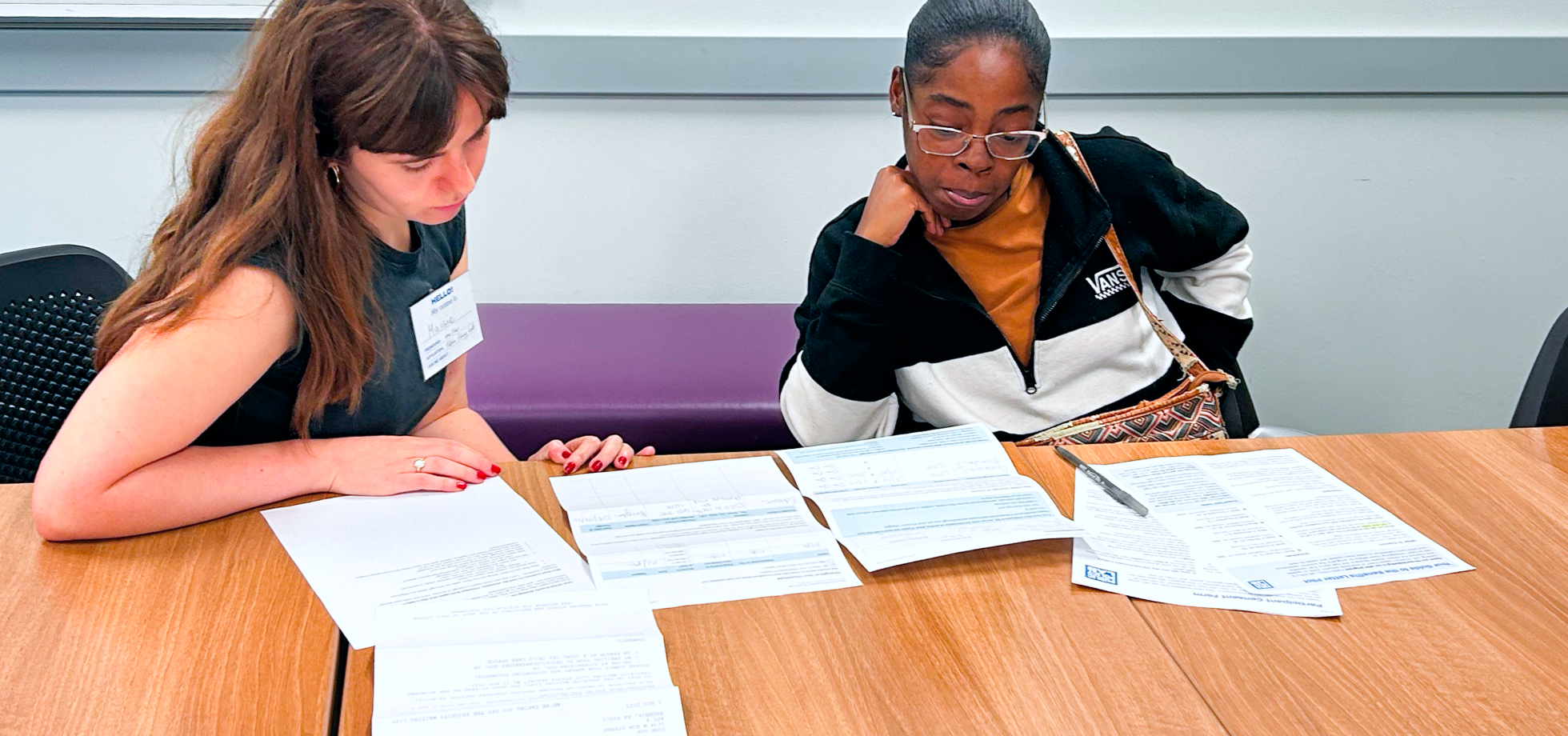
Our testing focused on two forms clients use to report these changes: the Periodic Report and the Change Report. We asked participants to fill out each form using various change scenarios—a raise, a new job, a reduction in public assistance—and took note of where errors occurred. Afterward, we debriefed with participants about what confused them or where mistakes had been made. From these findings, we built templates that pair plain, policy-compliant language with intuitive visual design that helps people navigate these forms, while safeguarding against the errors we saw in testing.
Download the form templates below. They’re modifiable Microsoft Word documents with comments from PPL explaining best practices and where a state agency might adapt the language. If you don’t have Microsoft Word, you can use the annotated PDF instead.